
We are often told that we need to exercise but are not told HOW to exercise. First off, let’s differentiate the difference between physical activity and exercise. Physical activity is any bodily movement that occurs as a result of musculoskeletal contraction that ultimately increases energy expenditure. This is a fancy way of saying that physical activity is an action that requires energy to perform. An exercise is a structured form of physical activity. But let’s not get caught up in the jargon because both are one and the same and are important for our mental and physical health.
The American Heart Association currently recommends that adults accumulate greater than or equal to 150 minutes of moderate physical activity or 75 minutes of vigorous activity per week while children should get at least 60 minutes per day of moderate-to-vigorous physical activity weekly.
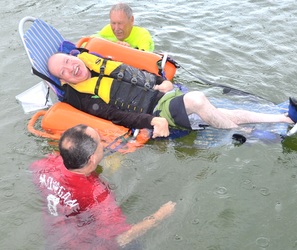
So, what exactly is moderate vs. vigorous activity? While everyone has different abilities, here are some different ideas to get those recommended “moderate” minutes as classified by the American Council on Exercise that can be adapted to functionality: chores that I push off until the weekend (washing windows, washing my car, cleaning the garage, sweeping/vacuuming), general carpentry, walking 3-5 mph, mowing the lawn, slow room ball dancing with that special someone, fishing, sailing your boat, canoeing/kayaking (3-5 mph), gardening, leisure biking/stationary bike, leisure swimming (what you consider “easy”), table tennis, shooting hoops, non-competitive volleyball, and golfing!
 walking, targets knee flexion and helps to activate those muscles

 Being outside for 20 minutes can help improve your mood and well-being.




 Life is crazy. In the blink of an eye, everything can change. That’s how fast things move- in the blink of an eye. As lovers of sport and recreation, its easy to understand the appeal of a fast-moving lifestyle. Though this begs the question, what happens when things move too fast? Sometimes it’s easy to get overwhelmed by the breakneck pace of the world around us. When the physical world gets to be too much, we often attempt to retreat into our own minds. Yet just as often, people are met with an unsettling amount of anxiety and stressful thoughts within the mind. Enter the practice of mindfulness.
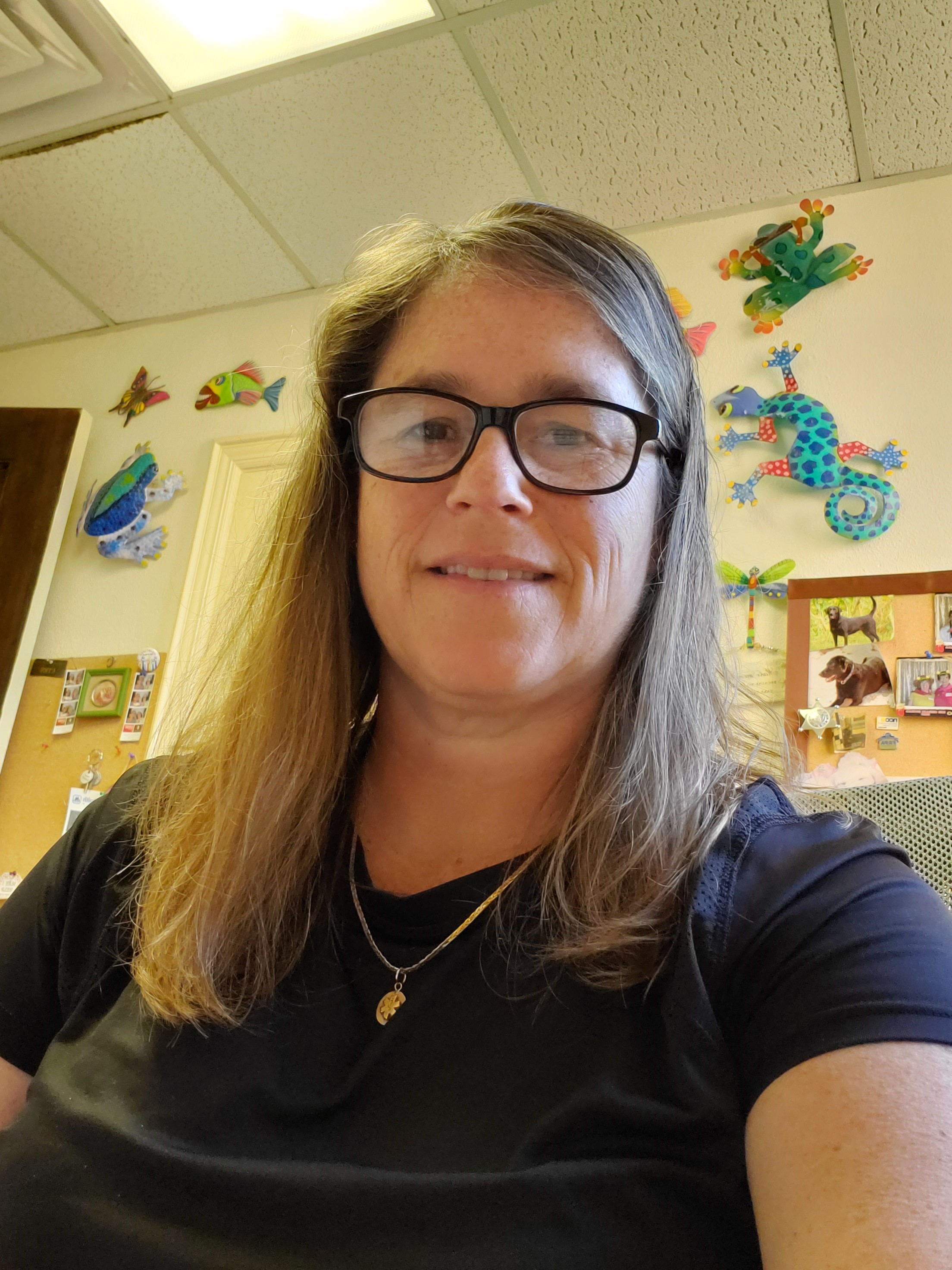 Kristy Carter has been volunteering with FDOA since 1997, when she got involved through a class project at Florida State University. She is active in all FDOA events, including Miracle Sports and SportsAbility. Her favorite FDOA event is SportsAbility, about which she said, “That is how I got hooked. The variety of programs offered and the amount of people that it can serve.” She worked as the Inclusion Specialist for FDOA from 2007 to 2011. Kristy has been on FDOA’s board since 2003. She served as the board secretary from 2011 to 2018 and has served as the vice-president since 2018.
 It can be easy to get caught up in your tasks for the day and not set aside some time for you to relax and connect with nature. If you work from home, you may never step outside some days if you do not section off part of your day to intentionally do so.